Buy brendawootton.eu ?
We are moving the project
brendawootton.eu .
Are you interested in purchasing the domain
brendawootton.eu ?
domain@kv-gmbh.de · 0541-91531010
Buy brendawootton.eu ?
What is the economic principle: the principle of minimum or the principle of maximum?
The principle of minimum and the principle of maximum are economic principles that relate to decision-making. The principle of minimum states that individuals or firms will seek to minimize their costs or inputs in order to achieve a certain level of output or outcome. On the other hand, the principle of maximum states that individuals or firms will seek to maximize their benefits or outputs given a certain level of inputs or costs. Both principles are important in guiding economic decision-making and resource allocation. **
What is the principle of the key-lock principle?
The key-lock principle is based on the idea that certain molecules or structures (keys) can fit into specific receptors or binding sites (locks) with high specificity and affinity. This principle is commonly used to describe the interaction between enzymes and their substrates, where the enzyme (lock) has a specific active site that perfectly fits the substrate (key), allowing for efficient catalysis. The key-lock principle highlights the importance of complementary shapes and chemical properties between molecules for effective interactions to occur. **

Similar search terms for Principle
Top-Angebote
Products related to Principle:
-
Nicholas Brealey Publishing The 80/20 Principle, Atomic Habits, How to Talk to Anyone Collection 3 Books Set by Richard Koch, James Clear, Leil LowndesThe 80/20 Principle The unspoken corollary to the 80/20 principle is that little of what you spend your time on actually counts. But by concentrating on those things that do, you can unlock the enormous potential of the magic 20 percent. Discover how to identify the few methods that will lead to great results, and use them alone. Avoid hard work. Don't push water uphill. Be very selective in what you do. Have a great life. Atomic Habits People think that when you want to change your life, you need to think big. But world-renowned habits expert James Clear has discovered another way. He knows that real change comes from the compound effect of hundreds of small decisions: doing two push-ups a day, waking up five minutes early, or holding a single short phone call. He calls them atomic habits. In this ground-breaking book, Clears reveals exactly how these minuscule changes can grow into such life-altering outcomes. How to Talk to Anyone Never be at a loss for words again! Perfect your people skills with his fun, witty and informative guide, containing 92 little tricks to create big success in personal and business relationships. In How To Talk To Anyone, bestselling relationships author and internationally renowned life coach Leil Lowndes reveals the secrets and psychology behind successful communication16,50 £*Shipping: 2,99 £Secure redirect to the provider
-
Fender American Performer Tele Original - RefurbishedThis American Performer Telecaster, finished in its distinctive Penny color, combines vintage soul with modern reliability. Built in the USA, it features an alder body for balanced resonance, a maple neck and fingerboard for snap and clarity, and Fender's Yosemite pickups for a versatile tonal range. The Greasebucket tone system preserves articulation as you shape your sound, while jumbo frets and the modern neck profile ensure comfort during long sessions. A true performer's Tele, ready for stage or studio.1078,92 £*Shipping: 0,00 £Secure redirect to the provider
-
L'Oreal Professionnel Tecni.ART All in 1 Performer Multi-benefit SprayTecni.art All-in-1 Performer Styling Treatment by L'Oréal Professionnel is a professional leave-in treatment spray for 30 benefits in 1 step: Benefits 1. Helps seal cuticles. 2. Helps prevent breakage. 3. Style refresher. 4. 24h style control*. 5. Enhances manageability. 6. Anti-frizz. 7. Anti-humidity. 8. Heat Protection upto 230°C/450°F**. 9. Easy blowdrying. 10. Smooths flyaways. 11. Anti-static. 12. Adds shine. 13. Detangles. 14. Conditions. 15. Hydrates. 16.nourishes. 17. Softens. 18. Smooths fiber. 19. Strengthens. 20. Reduces appearance of split ends. 21. Protects against external friction. 22. Silky touch. 23. Non-greasy finish. 24. No weigh down. 25. Fresh fragrance. 26. Easy to apply. 27. Enhances natural movement. 28. Helps preserve color vibrancy***. 29. Ideal cutting lotion. 30. Compatible with hot tools. *Consumer test on 53 subjects. **Instrumental test. ***Consumer test on 53 subjects after 4 weeks of use. Ingredients AQUA / WATER / EAU • COCOS NUCIFERA OIL / COCONUT OIL • AMODIMETHICONE • POLYQUATERNIUM-37 • PHENOXYETHANOL • PROPYLENE GLYCOL DICAPRYLATE/DICAPRATE • SODIUM HYDROXIDE • DIMETHICONE PEG-7 PHOSPHATE • PPG-1 TRIDECETH-6 • TRIDECETH-6 • BEHENTRIMONIUM CHLORIDE • XYLOSE • LACTIC ACID • ETHYLHEXYLGLYCERIN • ACRYLATES/STEARYL METHACRYLATE COPOLYMER • TETRAMETHYL ACETYLOCTAHYDRONAPHTHALENES • SORBITAN OLEATE • ISOPROPYL ALCOHOL • CETRIMONIUM CHLORIDE • HYDROLYZED VEGETABLE PROTEIN PG-PROPYL SILANETRIOL • BENZYL SALICYLATE • ALPHA-ISOMETHYL IONONE • CITRIC ACID • BENZYL ALCOHOL • HYDROXYCITRONELLAL • LINALOOL • GERANIOL • CITRAL • CARVONE • LIMONENE • EDTA • CITRONELLOL • COUMARIN • PINENE • BENZALDEHYDE • CANANGA ODORATA OIL/EXTRACT • ISOEUGENOL • POGOSTEMON CABLIN OIL • SODIUM BENZOATE • POTASSIUM SORBATE • TOCOPHEROL • PARFUM / FRAGRANCE17,00 £*Shipping: 2,95 £Secure redirect to the provider


-
What is the ping-pong principle or the hourglass principle?
The ping-pong principle, also known as the hourglass principle, is a communication strategy where information is exchanged back and forth between two parties in a structured and concise manner. It involves each party taking turns to speak or provide input, similar to a game of ping-pong. This principle ensures that communication is balanced, effective, and allows for active listening and engagement from both parties. It helps to maintain a focused and productive conversation by preventing one party from dominating the discussion. **
-
What is the rocket principle and the principle of recoil?
The rocket principle states that for every action, there is an equal and opposite reaction. This means that when a rocket expels gas out of its engines, the force of the gas pushing out is matched by an equal force pushing the rocket in the opposite direction. The principle of recoil is similar, stating that when a gun is fired, the force of the bullet being expelled from the barrel is matched by an equal force pushing the gun in the opposite direction. Both principles are based on Newton's third law of motion, which describes the relationship between the forces acting on two interacting objects. **
-
Does the principle of solidarity correspond to the principle of equivalence?
The principle of solidarity and the principle of equivalence are related but not the same. The principle of solidarity emphasizes mutual support and collective responsibility within a community, while the principle of equivalence focuses on equal treatment and fairness. Solidarity often involves individuals or groups providing assistance or resources to those in need, even if they have not contributed equally, whereas equivalence typically requires treating individuals or groups in the same way based on certain criteria. Both principles aim to promote fairness and justice, but they operate in slightly different ways. **
-
What are the principle of operation and the principle of object?
The principle of operation refers to the fundamental method or process by which something functions or operates. It outlines the underlying rules or guidelines that govern how a system or device works. On the other hand, the principle of object pertains to the main focus or purpose of a particular entity or concept. It defines the central idea or goal that the object is designed to achieve or represent. Both principles are essential in understanding the functionality and significance of a system or object. **


What is the principle of maximization or the principle of minimization?
The principle of maximization or minimization is a decision-making principle that involves choosing the best option from a set of alternatives in order to maximize benefits or minimize costs. In economics, this principle is often applied to the behavior of individuals, firms, or governments when making choices about resource allocation, production, consumption, or investment. The principle of maximization suggests that decision-makers seek to maximize their utility, profits, or other desirable outcomes, while the principle of minimization suggests that decision-makers seek to minimize their costs, risks, or other undesirable outcomes. These principles are fundamental to understanding how economic agents make rational choices in pursuit of their goals. **
Is the principle of officiality and the principle of legality still valid?
Yes, the principles of officiality and legality are still valid in many legal systems around the world. The principle of officiality emphasizes the importance of official documents and procedures in legal matters, while the principle of legality ensures that all actions taken by authorities are based on existing laws and regulations. These principles help maintain order, fairness, and accountability in legal processes. While there may be variations in how these principles are applied in different jurisdictions, they continue to play a crucial role in upholding the rule of law. **
Top-Angebote
Products related to Principle:
-
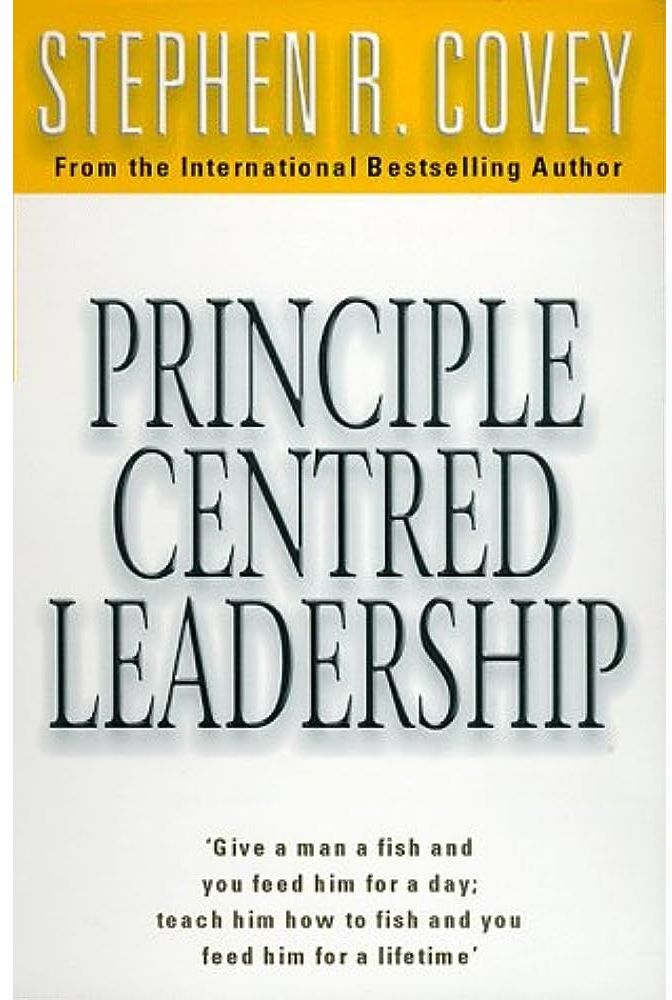
Simon & Schuster Principle Centred Leadership by Stephen R CoveyPRINCIPLE CENTRED LEADERSHIP will help solve these dilemmas - and many others:* how do we achieve a wise and renewing balance between work and family in the midst of constant pressures and crises?* how do we unleash the creativity, talent and energy of the vast majority of the work force, whose jobs neither require nor reward such resources?* how can we have a culture characterised by change, flexibility and continuous improvement and still maintain a sense of stability and security?* how do we create team spirit and harmony among people and departments that have been criticising and attacking each other for years?* how do we get people and culture aligned with strategy, so that everyone in an organisation is as committed to the strategy as those who formulated it?6,99 £*Shipping: 2,99 £Secure redirect to the provider
-
John Murray The 80/20 Principle : The Secret of Achieving More with Less: by Richard KochREAD THIS BOOK AND USE IT - TIM FERRISS Twenty years after its first publication, The 80/20 Principle is a global bestseller read by millions of highly effective people around the world. Now, it is more powerful and essential than ever. In the past, the principle gave those who used it a serious advantage.In the future, it will be the essential tool for anyone who wants to succeed. And it is powerful. Based on the counter-intuitive but widespread fact that 80% of results flow from 20% of causes, The 80/20 Principle shows how you can achieve much more with much less effort, time and resources, simply by concentrating on the all-important 20%.This major new edition includes four brand new chapters showing how to: Use the rise of networks to your advantage Benefit from more acute 90/10 and 99/1 forms of the principle Tap into your subconscious to exert a super-potent and amazingly favourable influence on your life Enjoy greater success with 5 mega rules to live by5,95 £*Shipping: 2,99 £Secure redirect to the provider
-
Nicholas Brealey Publishing The 80/20 Principle, Atomic Habits, How to Talk to Anyone Collection 3 Books Set by Richard Koch, James Clear, Leil LowndesThe 80/20 Principle The unspoken corollary to the 80/20 principle is that little of what you spend your time on actually counts. But by concentrating on those things that do, you can unlock the enormous potential of the magic 20 percent. Discover how to identify the few methods that will lead to great results, and use them alone. Avoid hard work. Don't push water uphill. Be very selective in what you do. Have a great life. Atomic Habits People think that when you want to change your life, you need to think big. But world-renowned habits expert James Clear has discovered another way. He knows that real change comes from the compound effect of hundreds of small decisions: doing two push-ups a day, waking up five minutes early, or holding a single short phone call. He calls them atomic habits. In this ground-breaking book, Clears reveals exactly how these minuscule changes can grow into such life-altering outcomes. How to Talk to Anyone Never be at a loss for words again! Perfect your people skills with his fun, witty and informative guide, containing 92 little tricks to create big success in personal and business relationships. In How To Talk To Anyone, bestselling relationships author and internationally renowned life coach Leil Lowndes reveals the secrets and psychology behind successful communication16,50 £*Shipping: 2,99 £Secure redirect to the provider
-
Fender American Performer Tele Original - RefurbishedThis American Performer Telecaster, finished in its distinctive Penny color, combines vintage soul with modern reliability. Built in the USA, it features an alder body for balanced resonance, a maple neck and fingerboard for snap and clarity, and Fender's Yosemite pickups for a versatile tonal range. The Greasebucket tone system preserves articulation as you shape your sound, while jumbo frets and the modern neck profile ensure comfort during long sessions. A true performer's Tele, ready for stage or studio.1078,92 £*Shipping: 0,00 £Secure redirect to the provider
-
What is the economic principle: the principle of minimum or the principle of maximum?
The principle of minimum and the principle of maximum are economic principles that relate to decision-making. The principle of minimum states that individuals or firms will seek to minimize their costs or inputs in order to achieve a certain level of output or outcome. On the other hand, the principle of maximum states that individuals or firms will seek to maximize their benefits or outputs given a certain level of inputs or costs. Both principles are important in guiding economic decision-making and resource allocation. **
-
What is the principle of the key-lock principle?
The key-lock principle is based on the idea that certain molecules or structures (keys) can fit into specific receptors or binding sites (locks) with high specificity and affinity. This principle is commonly used to describe the interaction between enzymes and their substrates, where the enzyme (lock) has a specific active site that perfectly fits the substrate (key), allowing for efficient catalysis. The key-lock principle highlights the importance of complementary shapes and chemical properties between molecules for effective interactions to occur. **
-
What is the ping-pong principle or the hourglass principle?
The ping-pong principle, also known as the hourglass principle, is a communication strategy where information is exchanged back and forth between two parties in a structured and concise manner. It involves each party taking turns to speak or provide input, similar to a game of ping-pong. This principle ensures that communication is balanced, effective, and allows for active listening and engagement from both parties. It helps to maintain a focused and productive conversation by preventing one party from dominating the discussion. **
-
What is the rocket principle and the principle of recoil?
The rocket principle states that for every action, there is an equal and opposite reaction. This means that when a rocket expels gas out of its engines, the force of the gas pushing out is matched by an equal force pushing the rocket in the opposite direction. The principle of recoil is similar, stating that when a gun is fired, the force of the bullet being expelled from the barrel is matched by an equal force pushing the gun in the opposite direction. Both principles are based on Newton's third law of motion, which describes the relationship between the forces acting on two interacting objects. **
Similar search terms for Principle
-
L'Oreal Professionnel Tecni.ART All in 1 Performer Multi-benefit SprayTecni.art All-in-1 Performer Styling Treatment by L'Oréal Professionnel is a professional leave-in treatment spray for 30 benefits in 1 step: Benefits 1. Helps seal cuticles. 2. Helps prevent breakage. 3. Style refresher. 4. 24h style control*. 5. Enhances manageability. 6. Anti-frizz. 7. Anti-humidity. 8. Heat Protection upto 230°C/450°F**. 9. Easy blowdrying. 10. Smooths flyaways. 11. Anti-static. 12. Adds shine. 13. Detangles. 14. Conditions. 15. Hydrates. 16.nourishes. 17. Softens. 18. Smooths fiber. 19. Strengthens. 20. Reduces appearance of split ends. 21. Protects against external friction. 22. Silky touch. 23. Non-greasy finish. 24. No weigh down. 25. Fresh fragrance. 26. Easy to apply. 27. Enhances natural movement. 28. Helps preserve color vibrancy***. 29. Ideal cutting lotion. 30. Compatible with hot tools. *Consumer test on 53 subjects. **Instrumental test. ***Consumer test on 53 subjects after 4 weeks of use. Ingredients AQUA / WATER / EAU • COCOS NUCIFERA OIL / COCONUT OIL • AMODIMETHICONE • POLYQUATERNIUM-37 • PHENOXYETHANOL • PROPYLENE GLYCOL DICAPRYLATE/DICAPRATE • SODIUM HYDROXIDE • DIMETHICONE PEG-7 PHOSPHATE • PPG-1 TRIDECETH-6 • TRIDECETH-6 • BEHENTRIMONIUM CHLORIDE • XYLOSE • LACTIC ACID • ETHYLHEXYLGLYCERIN • ACRYLATES/STEARYL METHACRYLATE COPOLYMER • TETRAMETHYL ACETYLOCTAHYDRONAPHTHALENES • SORBITAN OLEATE • ISOPROPYL ALCOHOL • CETRIMONIUM CHLORIDE • HYDROLYZED VEGETABLE PROTEIN PG-PROPYL SILANETRIOL • BENZYL SALICYLATE • ALPHA-ISOMETHYL IONONE • CITRIC ACID • BENZYL ALCOHOL • HYDROXYCITRONELLAL • LINALOOL • GERANIOL • CITRAL • CARVONE • LIMONENE • EDTA • CITRONELLOL • COUMARIN • PINENE • BENZALDEHYDE • CANANGA ODORATA OIL/EXTRACT • ISOEUGENOL • POGOSTEMON CABLIN OIL • SODIUM BENZOATE • POTASSIUM SORBATE • TOCOPHEROL • PARFUM / FRAGRANCE17,00 £*Shipping: 2,95 £Secure redirect to the provider
-
Singer Sewing MachineThe SINGER® M2100 sewing machine is great for the beginner and powerful enough for an expert. For your convenience, your machine will arrive pre-threaded. Accessories included are located in the storage area at the front of your machine.129,99 $*Shipping: 0,00 $Secure redirect to the provider
-
Phaidon Press Damn Good Advice For People With Talent How To Unleash Your Creative Potential By America Master C..Damn Good Advice (for people with talent!) is an indispensable insight into the mind of one of America's most legendary creative thinkers. Packed with lessons, practical advice, facts, anecdotes and inspiration, this book is a timeless creative bible for all those looking to succeed in life, business and creativity. Derived from the incomparable life of 'Master Communicator' George Lois, all entries are written and compiled by the man the Wall Street Journal called 'prodigy, enfant terrible, founder of agencies, creator of legends'. Each step is borne from a passion to succeed and a disdain for the status quo. Organised into inspirational, bite-sized pointers, each page offers fresh insight into the sources of success. From identifying your heroes to believing in yourself; the ideas, images and illustrations presented in this book are fresh, witty and in-your-face. Whether it be communicating your point in nanosecond, creating an explosive portfolio or making your presence felt, no one is better placed than George Lois to teach you the process of creativity. Poignant, punchy and to-the-point, Damn Good Advice (for people with talent!), is a must for anyone – whether in business, design, advertising or the visual arts – on a quest for success.8,99 £*Shipping: 2,99 £Secure redirect to the provider
-
Does the principle of solidarity correspond to the principle of equivalence?
The principle of solidarity and the principle of equivalence are related but not the same. The principle of solidarity emphasizes mutual support and collective responsibility within a community, while the principle of equivalence focuses on equal treatment and fairness. Solidarity often involves individuals or groups providing assistance or resources to those in need, even if they have not contributed equally, whereas equivalence typically requires treating individuals or groups in the same way based on certain criteria. Both principles aim to promote fairness and justice, but they operate in slightly different ways. **
-
What are the principle of operation and the principle of object?
The principle of operation refers to the fundamental method or process by which something functions or operates. It outlines the underlying rules or guidelines that govern how a system or device works. On the other hand, the principle of object pertains to the main focus or purpose of a particular entity or concept. It defines the central idea or goal that the object is designed to achieve or represent. Both principles are essential in understanding the functionality and significance of a system or object. **
-
What is the principle of maximization or the principle of minimization?
The principle of maximization or minimization is a decision-making principle that involves choosing the best option from a set of alternatives in order to maximize benefits or minimize costs. In economics, this principle is often applied to the behavior of individuals, firms, or governments when making choices about resource allocation, production, consumption, or investment. The principle of maximization suggests that decision-makers seek to maximize their utility, profits, or other desirable outcomes, while the principle of minimization suggests that decision-makers seek to minimize their costs, risks, or other undesirable outcomes. These principles are fundamental to understanding how economic agents make rational choices in pursuit of their goals. **
-
Is the principle of officiality and the principle of legality still valid?
Yes, the principles of officiality and legality are still valid in many legal systems around the world. The principle of officiality emphasizes the importance of official documents and procedures in legal matters, while the principle of legality ensures that all actions taken by authorities are based on existing laws and regulations. These principles help maintain order, fairness, and accountability in legal processes. While there may be variations in how these principles are applied in different jurisdictions, they continue to play a crucial role in upholding the rule of law. **
* All prices are inclusive of VAT and, if applicable, plus shipping costs. The offer information is based on the details provided by the respective shop and is updated through automated processes. Real-time updates do not occur, so deviations can occur in individual cases. ** Note: Parts of this content were created by AI.