Buy brendawootton.eu ?
We are moving the project
brendawootton.eu .
Are you interested in purchasing the domain
brendawootton.eu ?
domain@kv-gmbh.de · 0541-91531010
Buy brendawootton.eu ?
What is Dutch vocal polyphony?
Dutch vocal polyphony is a style of music that emerged in the Netherlands during the Renaissance period. It is characterized by the use of multiple independent vocal lines, each with its own melody, rhythm, and text, creating rich harmonies and intricate textures. Dutch composers such as Jan Pieterszoon Sweelinck were known for their contributions to this genre, which was popular in both sacred and secular settings. The use of vocal polyphony allowed for a high level of expressiveness and complexity in the music, making it a significant part of the Dutch musical tradition. **
Can someone explain polyphony to me?
Polyphony is a musical texture that features two or more independent melodic lines played or sung simultaneously. Each line has its own rhythm and contour, and they interact with each other to create a rich and complex sound. Polyphony is often associated with Renaissance and Baroque music, and it requires a high level of skill and coordination from the performers to maintain the independence of the different voices. This texture contrasts with homophony, where all voices move together in harmony, and monophony, where there is only one melodic line. **


Similar search terms for Polyphony
Top-Angebote
Products related to Polyphony:
-
L'Oreal Professionnel Tecni.ART All in 1 Performer Multi-benefit SprayTecni.art All-in-1 Performer Styling Treatment by L'Oréal Professionnel is a professional leave-in treatment spray for 30 benefits in 1 step: Benefits 1. Helps seal cuticles. 2. Helps prevent breakage. 3. Style refresher. 4. 24h style control*. 5. Enhances manageability. 6. Anti-frizz. 7. Anti-humidity. 8. Heat Protection upto 230°C/450°F**. 9. Easy blowdrying. 10. Smooths flyaways. 11. Anti-static. 12. Adds shine. 13. Detangles. 14. Conditions. 15. Hydrates. 16.nourishes. 17. Softens. 18. Smooths fiber. 19. Strengthens. 20. Reduces appearance of split ends. 21. Protects against external friction. 22. Silky touch. 23. Non-greasy finish. 24. No weigh down. 25. Fresh fragrance. 26. Easy to apply. 27. Enhances natural movement. 28. Helps preserve color vibrancy***. 29. Ideal cutting lotion. 30. Compatible with hot tools. *Consumer test on 53 subjects. **Instrumental test. ***Consumer test on 53 subjects after 4 weeks of use. Ingredients AQUA / WATER / EAU • COCOS NUCIFERA OIL / COCONUT OIL • AMODIMETHICONE • POLYQUATERNIUM-37 • PHENOXYETHANOL • PROPYLENE GLYCOL DICAPRYLATE/DICAPRATE • SODIUM HYDROXIDE • DIMETHICONE PEG-7 PHOSPHATE • PPG-1 TRIDECETH-6 • TRIDECETH-6 • BEHENTRIMONIUM CHLORIDE • XYLOSE • LACTIC ACID • ETHYLHEXYLGLYCERIN • ACRYLATES/STEARYL METHACRYLATE COPOLYMER • TETRAMETHYL ACETYLOCTAHYDRONAPHTHALENES • SORBITAN OLEATE • ISOPROPYL ALCOHOL • CETRIMONIUM CHLORIDE • HYDROLYZED VEGETABLE PROTEIN PG-PROPYL SILANETRIOL • BENZYL SALICYLATE • ALPHA-ISOMETHYL IONONE • CITRIC ACID • BENZYL ALCOHOL • HYDROXYCITRONELLAL • LINALOOL • GERANIOL • CITRAL • CARVONE • LIMONENE • EDTA • CITRONELLOL • COUMARIN • PINENE • BENZALDEHYDE • CANANGA ODORATA OIL/EXTRACT • ISOEUGENOL • POGOSTEMON CABLIN OIL • SODIUM BENZOATE • POTASSIUM SORBATE • TOCOPHEROL • PARFUM / FRAGRANCE17,00 £*Shipping: 2,95 £Secure redirect to the provider
-
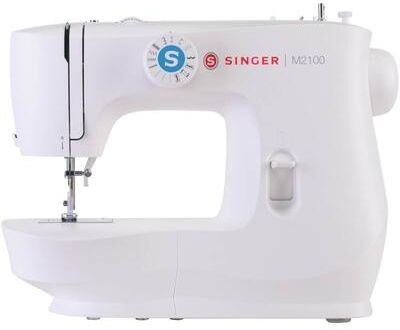
Singer Sewing MachineThe SINGER® M2100 sewing machine is great for the beginner and powerful enough for an expert. For your convenience, your machine will arrive pre-threaded. Accessories included are located in the storage area at the front of your machine.129,99 $*Shipping: 0,00 $Secure redirect to the provider
-
Phaidon Press Damn Good Advice For People With Talent How To Unleash Your Creative Potential By America Master C..Damn Good Advice (for people with talent!) is an indispensable insight into the mind of one of America's most legendary creative thinkers. Packed with lessons, practical advice, facts, anecdotes and inspiration, this book is a timeless creative bible for all those looking to succeed in life, business and creativity. Derived from the incomparable life of 'Master Communicator' George Lois, all entries are written and compiled by the man the Wall Street Journal called 'prodigy, enfant terrible, founder of agencies, creator of legends'. Each step is borne from a passion to succeed and a disdain for the status quo. Organised into inspirational, bite-sized pointers, each page offers fresh insight into the sources of success. From identifying your heroes to believing in yourself; the ideas, images and illustrations presented in this book are fresh, witty and in-your-face. Whether it be communicating your point in nanosecond, creating an explosive portfolio or making your presence felt, no one is better placed than George Lois to teach you the process of creativity. Poignant, punchy and to-the-point, Damn Good Advice (for people with talent!), is a must for anyone – whether in business, design, advertising or the visual arts – on a quest for success.8,99 £*Shipping: 2,99 £Secure redirect to the provider
-
Women's Performer Nitro Paddock Boots in Black, Size: 6 B / Medium by AriatTreat your feet to all-day comfort with the Performer Nitro Paddock. Top-of-the-line Nitro technology creates a boot with unmatched flexibility, stability, and comfortPerformer Nitro Paddock Boot Women's Performer Nitro Paddock Boots in Black, Size: 6 B Medium by Ariat167,99 $*Shipping: 0,00 $Secure redirect to the provider



-
What is the difference between polyphony and homophony?
Polyphony is a musical texture where two or more independent melodic lines are played simultaneously. Each line has its own rhythm and melody, creating a complex and layered sound. Homophony, on the other hand, is a musical texture where all voices or instruments move together in harmony, supporting a single melody. In homophony, there is a clear distinction between the melody and the accompanying parts, creating a more unified and harmonious sound. **
-
Can you explain the history of early polyphony?
Early polyphony emerged in Western music during the medieval period, around the 9th century. It involved the simultaneous singing of two or more independent melodic lines. Initially, early polyphony was primarily found in sacred music, particularly in Gregorian chant. Over time, composers began to experiment with adding additional voices and creating more complex harmonies, leading to the development of intricate polyphonic compositions. This marked a significant shift from the monophonic music of the early Middle Ages and laid the foundation for the rich polyphonic textures of the Renaissance period. **
-
What does polyphony mean in a digital piano?
Polyphony in a digital piano refers to the number of individual notes or voices that the instrument can produce simultaneously. For example, if a digital piano has a polyphony of 64, it means that it can play up to 64 notes at the same time. This is important for more complex pieces of music that require multiple notes to be played at once, as a higher polyphony allows for a richer and more realistic sound. It is especially important for advanced players and composers who need to create intricate and layered compositions. **
-
What is the difference between polyphony and canon?
Polyphony refers to a musical texture where two or more independent melodic lines are played simultaneously. Each line has its own rhythm and melody, creating a rich and complex sound. On the other hand, a canon is a specific type of polyphonic composition where a melody is imitated by one or more voices at a fixed time interval. In a canon, the same melody is repeated by different voices, creating a layered and contrapuntal effect. While both polyphony and canon involve multiple independent voices, the key difference lies in the specific imitation of a melody in a canon. **


What is the difference between homophony and polyphony?
Homophony is a musical texture in which a single melody is supported by a harmonic accompaniment, creating a clear distinction between the main melody and the supporting harmonies. Polyphony, on the other hand, is a musical texture in which two or more independent melodies are played or sung simultaneously, creating a more complex and layered sound. In homophony, all voices or instruments move together rhythmically, while in polyphony, each voice or instrument has its own rhythm and melodic independence. Overall, homophony emphasizes harmony and a clear main melody, while polyphony emphasizes the interplay of multiple independent melodies. **
What is the difference between musical polyphony and counterpoint?
Musical polyphony refers to the simultaneous combination of two or more independent melodic lines, creating a texture where multiple voices are heard at the same time. Counterpoint, on the other hand, is the technique of writing music in which two or more melodic lines are interwoven and interact with each other. In other words, counterpoint is a specific method of creating polyphony, focusing on the relationship and interaction between the different melodic lines. While polyphony is a broader concept that encompasses any music with multiple independent voices, counterpoint specifically refers to the rules and techniques for writing and organizing those voices. **
Top-Angebote
Products related to Polyphony:
-
Fender American Performer Tele Original - RefurbishedThis American Performer Telecaster, finished in its distinctive Penny color, combines vintage soul with modern reliability. Built in the USA, it features an alder body for balanced resonance, a maple neck and fingerboard for snap and clarity, and Fender's Yosemite pickups for a versatile tonal range. The Greasebucket tone system preserves articulation as you shape your sound, while jumbo frets and the modern neck profile ensure comfort during long sessions. A true performer's Tele, ready for stage or studio.1078,92 £*Shipping: 0,00 £Secure redirect to the provider
-
L'Oreal Professionnel Tecni.ART All in 1 Performer Multi-benefit SprayTecni.art All-in-1 Performer Styling Treatment by L'Oréal Professionnel is a professional leave-in treatment spray for 30 benefits in 1 step: Benefits 1. Helps seal cuticles. 2. Helps prevent breakage. 3. Style refresher. 4. 24h style control*. 5. Enhances manageability. 6. Anti-frizz. 7. Anti-humidity. 8. Heat Protection upto 230°C/450°F**. 9. Easy blowdrying. 10. Smooths flyaways. 11. Anti-static. 12. Adds shine. 13. Detangles. 14. Conditions. 15. Hydrates. 16.nourishes. 17. Softens. 18. Smooths fiber. 19. Strengthens. 20. Reduces appearance of split ends. 21. Protects against external friction. 22. Silky touch. 23. Non-greasy finish. 24. No weigh down. 25. Fresh fragrance. 26. Easy to apply. 27. Enhances natural movement. 28. Helps preserve color vibrancy***. 29. Ideal cutting lotion. 30. Compatible with hot tools. *Consumer test on 53 subjects. **Instrumental test. ***Consumer test on 53 subjects after 4 weeks of use. Ingredients AQUA / WATER / EAU • COCOS NUCIFERA OIL / COCONUT OIL • AMODIMETHICONE • POLYQUATERNIUM-37 • PHENOXYETHANOL • PROPYLENE GLYCOL DICAPRYLATE/DICAPRATE • SODIUM HYDROXIDE • DIMETHICONE PEG-7 PHOSPHATE • PPG-1 TRIDECETH-6 • TRIDECETH-6 • BEHENTRIMONIUM CHLORIDE • XYLOSE • LACTIC ACID • ETHYLHEXYLGLYCERIN • ACRYLATES/STEARYL METHACRYLATE COPOLYMER • TETRAMETHYL ACETYLOCTAHYDRONAPHTHALENES • SORBITAN OLEATE • ISOPROPYL ALCOHOL • CETRIMONIUM CHLORIDE • HYDROLYZED VEGETABLE PROTEIN PG-PROPYL SILANETRIOL • BENZYL SALICYLATE • ALPHA-ISOMETHYL IONONE • CITRIC ACID • BENZYL ALCOHOL • HYDROXYCITRONELLAL • LINALOOL • GERANIOL • CITRAL • CARVONE • LIMONENE • EDTA • CITRONELLOL • COUMARIN • PINENE • BENZALDEHYDE • CANANGA ODORATA OIL/EXTRACT • ISOEUGENOL • POGOSTEMON CABLIN OIL • SODIUM BENZOATE • POTASSIUM SORBATE • TOCOPHEROL • PARFUM / FRAGRANCE17,00 £*Shipping: 2,95 £Secure redirect to the provider
-
Singer Sewing MachineThe SINGER® M2100 sewing machine is great for the beginner and powerful enough for an expert. For your convenience, your machine will arrive pre-threaded. Accessories included are located in the storage area at the front of your machine.129,99 $*Shipping: 0,00 $Secure redirect to the provider
-
What is Dutch vocal polyphony?
Dutch vocal polyphony is a style of music that emerged in the Netherlands during the Renaissance period. It is characterized by the use of multiple independent vocal lines, each with its own melody, rhythm, and text, creating rich harmonies and intricate textures. Dutch composers such as Jan Pieterszoon Sweelinck were known for their contributions to this genre, which was popular in both sacred and secular settings. The use of vocal polyphony allowed for a high level of expressiveness and complexity in the music, making it a significant part of the Dutch musical tradition. **
-
Can someone explain polyphony to me?
Polyphony is a musical texture that features two or more independent melodic lines played or sung simultaneously. Each line has its own rhythm and contour, and they interact with each other to create a rich and complex sound. Polyphony is often associated with Renaissance and Baroque music, and it requires a high level of skill and coordination from the performers to maintain the independence of the different voices. This texture contrasts with homophony, where all voices move together in harmony, and monophony, where there is only one melodic line. **
-
What is the difference between polyphony and homophony?
Polyphony is a musical texture where two or more independent melodic lines are played simultaneously. Each line has its own rhythm and melody, creating a complex and layered sound. Homophony, on the other hand, is a musical texture where all voices or instruments move together in harmony, supporting a single melody. In homophony, there is a clear distinction between the melody and the accompanying parts, creating a more unified and harmonious sound. **
-
Can you explain the history of early polyphony?
Early polyphony emerged in Western music during the medieval period, around the 9th century. It involved the simultaneous singing of two or more independent melodic lines. Initially, early polyphony was primarily found in sacred music, particularly in Gregorian chant. Over time, composers began to experiment with adding additional voices and creating more complex harmonies, leading to the development of intricate polyphonic compositions. This marked a significant shift from the monophonic music of the early Middle Ages and laid the foundation for the rich polyphonic textures of the Renaissance period. **
Similar search terms for Polyphony
-
Phaidon Press Damn Good Advice For People With Talent How To Unleash Your Creative Potential By America Master C..Damn Good Advice (for people with talent!) is an indispensable insight into the mind of one of America's most legendary creative thinkers. Packed with lessons, practical advice, facts, anecdotes and inspiration, this book is a timeless creative bible for all those looking to succeed in life, business and creativity. Derived from the incomparable life of 'Master Communicator' George Lois, all entries are written and compiled by the man the Wall Street Journal called 'prodigy, enfant terrible, founder of agencies, creator of legends'. Each step is borne from a passion to succeed and a disdain for the status quo. Organised into inspirational, bite-sized pointers, each page offers fresh insight into the sources of success. From identifying your heroes to believing in yourself; the ideas, images and illustrations presented in this book are fresh, witty and in-your-face. Whether it be communicating your point in nanosecond, creating an explosive portfolio or making your presence felt, no one is better placed than George Lois to teach you the process of creativity. Poignant, punchy and to-the-point, Damn Good Advice (for people with talent!), is a must for anyone – whether in business, design, advertising or the visual arts – on a quest for success.8,99 £*Shipping: 2,99 £Secure redirect to the provider
-
Women's Performer Nitro Paddock Boots in Black, Size: 6 B / Medium by AriatTreat your feet to all-day comfort with the Performer Nitro Paddock. Top-of-the-line Nitro technology creates a boot with unmatched flexibility, stability, and comfortPerformer Nitro Paddock Boot Women's Performer Nitro Paddock Boots in Black, Size: 6 B Medium by Ariat167,99 $*Shipping: 0,00 $Secure redirect to the provider
-
Women's Performer Nitro Paddock Boots in Black, Size: 6.5 B / Medium by AriatTreat your feet to all-day comfort with the Performer Nitro Paddock. Top-of-the-line Nitro technology creates a boot with unmatched flexibility, stability, and comfortPerformer Nitro Paddock Boot Women's Performer Nitro Paddock Boots in Black, Size: 6.5 B Medium by Ariat167,99 $*Shipping: 0,00 $Secure redirect to the provider
-
L'Oreal Professionnel Tecni.ART All in 1 Performer Multi-benefit SprayTecni.art All-in-1 Performer Styling Treatment by L'Oréal Professionnel is a professional leave-in treatment spray for 30 benefits in 1 step! Now available in this 2 x 190ml double pack, your hair will remain gorgeous for even longer. Benefits 1. Helps seal cuticles. 2. Helps prevent breakage. 3. Style refresher. 4. 24h style control*. 5. Enhances manageability. 6. Anti-frizz. 7. Anti-humidity. 8. Heat Protection upto 230°C/450°F**. 9. Easy blowdrying. 10. Smooths flyaways. 11. Anti-static. 12. Adds shine. 13. Detangles. 14. Conditions. 15. Hydrates. 16.nourishes. 17. Softens. 18. Smooths fiber. 19. Strengthens. 20. Reduces appearance of split ends. 21. Protects against external friction. 22. Silky touch. 23. Non-greasy finish. 24. No weigh down. 25. Fresh fragrance. 26. Easy to apply. 27. Enhances natural movement. 28. Helps preserve color vibrancy***. 29. Ideal cutting lotion. 30. Compatible with hot tools. *Consumer test on 53 subjects. **Instrumental test. ***Consumer test on 53 subjects after 4 weeks of use. Ingredients AQUA / WATER / EAU • COCOS NUCIFERA OIL / COCONUT OIL • AMODIMETHICONE • POLYQUATERNIUM-37 • PHENOXYETHANOL • PROPYLENE GLYCOL DICAPRYLATE/DICAPRATE • SODIUM HYDROXIDE • DIMETHICONE PEG-7 PHOSPHATE • PPG-1 TRIDECETH-6 • TRIDECETH-6 • BEHENTRIMONIUM CHLORIDE • XYLOSE • LACTIC ACID • ETHYLHEXYLGLYCERIN • ACRYLATES/STEARYL METHACRYLATE COPOLYMER • TETRAMETHYL ACETYLOCTAHYDRONAPHTHALENES • SORBITAN OLEATE • ISOPROPYL ALCOHOL • CETRIMONIUM CHLORIDE • HYDROLYZED VEGETABLE PROTEIN PG-PROPYL SILANETRIOL • BENZYL SALICYLATE • ALPHA-ISOMETHYL IONONE • CITRIC ACID • BENZYL ALCOHOL • HYDROXYCITRONELLAL • LINALOOL • GERANIOL • CITRAL • CARVONE • LIMONENE • EDTA • CITRONELLOL • COUMARIN • PINENE • BENZALDEHYDE • CANANGA ODORATA OIL/EXTRACT • ISOEUGENOL • POGOSTEMON CABLIN OIL • SODIUM BENZOATE • POTASSIUM SORBATE • TOCOPHEROL • PARFUM / FRAGRANCE32,00 £*Shipping: 0,00 £Secure redirect to the provider
-
What does polyphony mean in a digital piano?
Polyphony in a digital piano refers to the number of individual notes or voices that the instrument can produce simultaneously. For example, if a digital piano has a polyphony of 64, it means that it can play up to 64 notes at the same time. This is important for more complex pieces of music that require multiple notes to be played at once, as a higher polyphony allows for a richer and more realistic sound. It is especially important for advanced players and composers who need to create intricate and layered compositions. **
-
What is the difference between polyphony and canon?
Polyphony refers to a musical texture where two or more independent melodic lines are played simultaneously. Each line has its own rhythm and melody, creating a rich and complex sound. On the other hand, a canon is a specific type of polyphonic composition where a melody is imitated by one or more voices at a fixed time interval. In a canon, the same melody is repeated by different voices, creating a layered and contrapuntal effect. While both polyphony and canon involve multiple independent voices, the key difference lies in the specific imitation of a melody in a canon. **
-
What is the difference between homophony and polyphony?
Homophony is a musical texture in which a single melody is supported by a harmonic accompaniment, creating a clear distinction between the main melody and the supporting harmonies. Polyphony, on the other hand, is a musical texture in which two or more independent melodies are played or sung simultaneously, creating a more complex and layered sound. In homophony, all voices or instruments move together rhythmically, while in polyphony, each voice or instrument has its own rhythm and melodic independence. Overall, homophony emphasizes harmony and a clear main melody, while polyphony emphasizes the interplay of multiple independent melodies. **
-
What is the difference between musical polyphony and counterpoint?
Musical polyphony refers to the simultaneous combination of two or more independent melodic lines, creating a texture where multiple voices are heard at the same time. Counterpoint, on the other hand, is the technique of writing music in which two or more melodic lines are interwoven and interact with each other. In other words, counterpoint is a specific method of creating polyphony, focusing on the relationship and interaction between the different melodic lines. While polyphony is a broader concept that encompasses any music with multiple independent voices, counterpoint specifically refers to the rules and techniques for writing and organizing those voices. **
* All prices are inclusive of VAT and, if applicable, plus shipping costs. The offer information is based on the details provided by the respective shop and is updated through automated processes. Real-time updates do not occur, so deviations can occur in individual cases. ** Note: Parts of this content were created by AI.