Buy brendawootton.eu ?
We are moving the project
brendawootton.eu .
Are you interested in purchasing the domain
brendawootton.eu ?
domain@kv-gmbh.de · 0541-91531010
Buy brendawootton.eu ?
Are equilateral triangles always similar?
Yes, equilateral triangles are always similar to each other. This is because all equilateral triangles have the same angles (60 degrees) and all sides are equal in length. Similarity in geometry means that the shapes have the same angles and their sides are proportional. Since equilateral triangles meet these criteria, they are always similar to each other. **
What is an equilateral triangle?
An equilateral triangle is a type of triangle where all three sides are of equal length. This means that all three angles in an equilateral triangle are also equal, each measuring 60 degrees. Equilateral triangles are a special case of an isosceles triangle, where two sides are equal in length. They have a high degree of symmetry and are commonly used in geometry and design due to their balanced and uniform appearance. **


Similar search terms for Non-equilateral
Top-Angebote
Products related to Non-equilateral:
-
Air Vent Peak Performer I Rolled Ridge VentThe Air Vent Peak Performer I Rolled Ridge Vent 28 Foot delivers powerful and consistent roof exhaust ventilation across the entire ridge line. Made from durable polypropylene this unfiltered peak roof vent is designed to withstand harsh weather...89,17 $*Shipping: 0,00 $Secure redirect to the provider
-
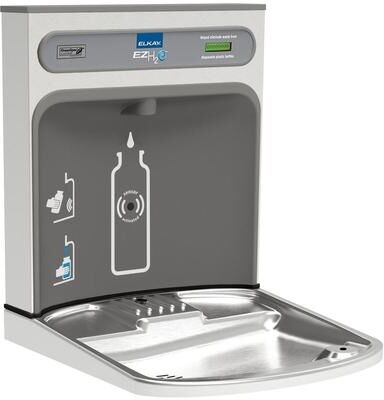
Elkay EZH2O RetroFit Bottle Filling Station Kit, Non-Filtered Non-RefrigeratedThe Elkay EZH2O® Bottle Filling Station delivers a clean quick water bottle fill and enhances sustainability by minimizing our dependency on disposable plastic bottles. Designed to retrofit existing 115V pushbar-activated EZ style water coolers.1391,49 $*Shipping: 0,00 $Secure redirect to the provider


-
Are some isosceles triangles also equilateral?
Yes, some isosceles triangles can also be equilateral. An equilateral triangle is a special case of an isosceles triangle where all three sides are equal in length. Therefore, any equilateral triangle is also an isosceles triangle. However, not all isosceles triangles are equilateral, as isosceles triangles only require two sides to be of equal length. **
-
Is every isosceles triangle an equilateral triangle?
No, not every isosceles triangle is an equilateral triangle. An isosceles triangle has two sides that are equal in length, while an equilateral triangle has all three sides equal in length. Therefore, an isosceles triangle can have two equal sides and one different side, while an equilateral triangle has all three sides equal. **
-
Is there a right-angled equilateral triangle?
No, there is no such thing as a right-angled equilateral triangle. By definition, an equilateral triangle has all three sides of equal length, and all three angles are also equal. In a right-angled triangle, one of the angles is 90 degrees. Since the angles in an equilateral triangle are all 60 degrees, it is not possible for it to have a 90-degree angle and still be equilateral. **
-
What is an equilateral triangle in mathematics?
An equilateral triangle is a type of triangle where all three sides are of equal length. This means that all three angles in an equilateral triangle are also equal, each measuring 60 degrees. Equilateral triangles are a special case of an isosceles triangle, where two sides are equal in length. They have a high degree of symmetry and are commonly used in geometry and trigonometry. **


What truly exceptional, non-positive talent do you have?
I have a talent for finding the humor in almost any situation, even in the most challenging or difficult circumstances. I have a knack for using humor as a coping mechanism and helping others see the lighter side of things. While this talent may not always be seen as positive, it has helped me and those around me navigate through tough times with a smile on our faces. **
How can one prove that a triangle is equilateral?
One can prove that a triangle is equilateral by showing that all three sides are of equal length. This can be done by measuring each side of the triangle and confirming that they are all the same. Another way to prove that a triangle is equilateral is by showing that all three angles are equal, which would imply that all three sides are also equal. Additionally, if the triangle has one angle of 60 degrees, then it must be equilateral. **
Top-Angebote
Products related to Non-equilateral:
-
Tula Baby Carrier - EquilateralHave fun in our cool geometric Tula, 'Equilateral'! A vivid pattern of triangles creates a mosaic of green and gray tones against a dark gray canvas. 'Equilateral' will have you feeling modern yet playful and hip!Baby Carrier Features: Dark gray...149,00 $*Shipping: 0,00 $Secure redirect to the provider
-
Fender American Performer Tele Original - RefurbishedThis American Performer Telecaster, finished in its distinctive Penny color, combines vintage soul with modern reliability. Built in the USA, it features an alder body for balanced resonance, a maple neck and fingerboard for snap and clarity, and Fender's Yosemite pickups for a versatile tonal range. The Greasebucket tone system preserves articulation as you shape your sound, while jumbo frets and the modern neck profile ensure comfort during long sessions. A true performer's Tele, ready for stage or studio.1078,92 £*Shipping: 0,00 £Secure redirect to the provider
-
Air Vent Peak Performer I Rolled Ridge VentThe Air Vent Peak Performer I Rolled Ridge Vent 28 Foot delivers powerful and consistent roof exhaust ventilation across the entire ridge line. Made from durable polypropylene this unfiltered peak roof vent is designed to withstand harsh weather...89,17 $*Shipping: 0,00 $Secure redirect to the provider
-
Are equilateral triangles always similar?
Yes, equilateral triangles are always similar to each other. This is because all equilateral triangles have the same angles (60 degrees) and all sides are equal in length. Similarity in geometry means that the shapes have the same angles and their sides are proportional. Since equilateral triangles meet these criteria, they are always similar to each other. **
-
What is an equilateral triangle?
An equilateral triangle is a type of triangle where all three sides are of equal length. This means that all three angles in an equilateral triangle are also equal, each measuring 60 degrees. Equilateral triangles are a special case of an isosceles triangle, where two sides are equal in length. They have a high degree of symmetry and are commonly used in geometry and design due to their balanced and uniform appearance. **
-
Are some isosceles triangles also equilateral?
Yes, some isosceles triangles can also be equilateral. An equilateral triangle is a special case of an isosceles triangle where all three sides are equal in length. Therefore, any equilateral triangle is also an isosceles triangle. However, not all isosceles triangles are equilateral, as isosceles triangles only require two sides to be of equal length. **
-
Is every isosceles triangle an equilateral triangle?
No, not every isosceles triangle is an equilateral triangle. An isosceles triangle has two sides that are equal in length, while an equilateral triangle has all three sides equal in length. Therefore, an isosceles triangle can have two equal sides and one different side, while an equilateral triangle has all three sides equal. **
Similar search terms for Non-equilateral
-
Elkay EZH2O RetroFit Bottle Filling Station Kit, Non-Filtered Non-RefrigeratedThe Elkay EZH2O® Bottle Filling Station delivers a clean quick water bottle fill and enhances sustainability by minimizing our dependency on disposable plastic bottles. Designed to retrofit existing 115V pushbar-activated EZ style water coolers.1391,49 $*Shipping: 0,00 $Secure redirect to the provider
-
World Rug Gallery Modern Boxes Design Non-slip (Non-skid) Area RugWelcome style, comfort, and durability into your home with this beautiful rug featuring a rubber backing which makes it suitable for almost any floor. The geometric box design adds flair to almost any room.85,49 $*Shipping: 0,00 $Secure redirect to the provider
-
Is there a right-angled equilateral triangle?
No, there is no such thing as a right-angled equilateral triangle. By definition, an equilateral triangle has all three sides of equal length, and all three angles are also equal. In a right-angled triangle, one of the angles is 90 degrees. Since the angles in an equilateral triangle are all 60 degrees, it is not possible for it to have a 90-degree angle and still be equilateral. **
-
What is an equilateral triangle in mathematics?
An equilateral triangle is a type of triangle where all three sides are of equal length. This means that all three angles in an equilateral triangle are also equal, each measuring 60 degrees. Equilateral triangles are a special case of an isosceles triangle, where two sides are equal in length. They have a high degree of symmetry and are commonly used in geometry and trigonometry. **
-
What truly exceptional, non-positive talent do you have?
I have a talent for finding the humor in almost any situation, even in the most challenging or difficult circumstances. I have a knack for using humor as a coping mechanism and helping others see the lighter side of things. While this talent may not always be seen as positive, it has helped me and those around me navigate through tough times with a smile on our faces. **
-
How can one prove that a triangle is equilateral?
One can prove that a triangle is equilateral by showing that all three sides are of equal length. This can be done by measuring each side of the triangle and confirming that they are all the same. Another way to prove that a triangle is equilateral is by showing that all three angles are equal, which would imply that all three sides are also equal. Additionally, if the triangle has one angle of 60 degrees, then it must be equilateral. **
* All prices are inclusive of VAT and, if applicable, plus shipping costs. The offer information is based on the details provided by the respective shop and is updated through automated processes. Real-time updates do not occur, so deviations can occur in individual cases. ** Note: Parts of this content were created by AI.